Reducing plastics and chemicals in NSW’s cut flower industry
Through targeted education, extension activities and industry collaboration, this project is supporting New South Wales cut flower growers to adopt more sustainable practices and strengthen their resilience to natural disasters.
This project is being delivered by RMCG on behalf of AgriFutures Australia, with funding from the Australian and NSW Governments’ Storm and Flood Industry Recovery program.
Click here to access webinar recordings
Click here to access fact-sheets
Click here to listen to the In Bloom: Tackling Plant Diseases podcast series
How did this program come about?
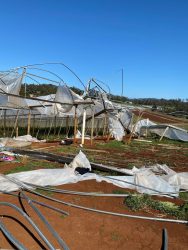
In early 2021, severe storms and floods across NSW caused widespread damage to many agricultural regions; this included the contamination of waterways with plastics and agricultural chemicals. In response, the NSW cut flower industry identified a need for greater support to help growers adopt more sustainable and environmentally responsible practices.
To address this challenge, RMCG is working collaboratively with growers, industry associations and service providers to:
- Raise awareness of sustainable best practices
- Reduce the use of single-use plastics and chemicals in flower production
- Build resilience against natural disasters and the effects of a changing climate.
RMCG has worked to establish partnerships with key industry groups, including Flower Growers Group of NSW, Protected Cropping Australia and WildFlowers Australia to assist with the development and delivery of materials across the project.
What has been achieved so far?
A key focus of the project is the development and delivery of a comprehensive, industry-wide extension campaign designed to equip NSW cut flower growers with the knowledge and tools needed to adopt sustainable practices and build resilience to natural disasters. The campaign specifically targets improvements in integrated pest and disease management (IPDM), plastic use reduction and safe chemical handling.
To support this, a range of activities are being delivered including regional workshops, fact sheet development, webinars, podcasts and ChemCert training. These initiatives are all aimed at building grower capacity and promoting best practices across the industry.
A major component of the project has been the delivery of five regional workshops focused on IPDM and safe chemical application. RMCG partnered with leading experts – Dr Len Tesoriero (CropDoc Consulting), Dr Robert Spooner-Hart and Tony Bundock – to assist in delivering these workshops.
The workshops offered growers practical insights and support. Feedback from attendees highlights the positive impact of the sessions:
“This workshop was great, we don’t get information like this in South Australia, so I came over for this.” – Grower
“It’s great to get out into the field and listen to what the (experts) have to say, they’re a source of really valuable knowledge.” – Grower
Grower resources
Webinar series in November 2025
Join us for a three-part webinar series designed to equip growers with practical strategies to reduce plastic waste on-farm. Each session will focus on real-world solutions for recycling and plastic waste reduction, featuring insights from expert guest speakers.
Participants will have the opportunity to:
-
Understand plastic use and the waste hierarchy
-
Learn about plastic challenges in the cut flower industry
-
Explore practical solutions for agricultural waste management
-
Discover end-of-life options for on-farm plastics
-
Ask questions and join discussions on sustainable practices.
The webinars will be hosted by RMCG Associate Anne-Maree Boland on Zoom, and will run Thursdays (13, 20 and 27 November ) from 10:00am-11:00am AEDT.
Webinar 1: Recycling solutions for on-farm plastics (Part 1)
-
Date: 13 November | Access the slides here | Access the recording here
-
Topics: Agsafe programs (drumMUSTER, ChemClear, bagMUSTER), GCP recycling program
-
Speakers: Alicia Garden and Greg Carrick
Webinar 2: Recycling solutions for on-farm plastics (Part 2)
-
Date: 20 November | Access the slides here | Access the recording here
-
Topics: Big Bag Recovery, greenhouse skins
-
Speakers: Helena Tierney and Ed George
Webinar 3: Rethinking plastic sleeves: challenges and opportunities (Part 3)
-
-
Date: 27 November | Access the slides here | Access the recording here
-
Speakers: Rita Feldmann, Yasmin Wessels and a NSW grower
-
Managing pests in cut flowers – fact sheets
As part of this project, RMCG has developed a suite of fact sheets on common insects, pests and diseases, and best practices for IPDM, plastics and chemical management. These resources are available below and will be updated as new materials are completed and become available.
Managing diseases in cut flowers – fact sheets
IPDM and chemical management – fact sheets
- Best practice chemical storage and disposal
- Biosecurity 101
- Responsible chemical disposal: Chemclear
- Chemical application essentials
- Chemical control of insect pests
- Sustainable container recycling: drumMUSTER
- Managing pests and diseases using an IPDM approach
Plastics
- Managing plastic crates
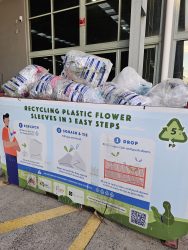
- Plastic sleeves in the cut flower industry
- Managing plastic in the cut flower industry
- Recycling plastic pots and trays
Webinar recordings
In this webinar, Greg Carrick – Sales Manager for Victoria and Tasmania for Garden City Plastics – presents on Garden City Plastics’ recycling program, and how the clarity of base level material consumption and correct packaging can promote recycling efficiencies. This includes differentiating between PP5 and PS6 plastics recycling.
Presented by General Manager for Agsafe, Alicia Garden, this webinar explores how the national product stewardship program – drumMUSTER – collects and recycles agricultural and veterinary chemical drums to safely dispose of unwanted agricultural chemicals. It touches on the new recycling program, bagMUSTER, collecting single-use woven polypropylene (PP) bags to transform into new products such as planter boxes.
This webinar explores practical ways to boost beneficial insect populations and manage pests more sustainably on a flower farm. It includes two recent case studies on banker plants in capsicums and cut flowers, identifying suitable host plants to help grow predatory insect populations and reduce key pests. It then discusses chemical resistance, how it develops and practical strategies to reduce the risk of it developing on farm.
The session ends with an open Q&A with presenters Dr Bernardo O’Connor, Dr Robert Spooner-Hart and Camilla Humphries.
In this webinar, we hear from experts on the waste hierarchy as well as practical steps growers can take to recycle plastic waste, including participation in the Big Bag Recovery stewardship program. It also features discussion on greenhouse skin recycling.
The session ends with a Q&A featuring speakers Anne-Maree Boland, David Leitch and Greg Carrick.
Podcast Episodes
In Bloom: Tackling Plant Diseases
In this limited series, Dr Len Tesoriero and Jesse Clune take a closer look at some of the trickier plant diseases affecting cut flower growers across New South Wales and the wider Australian industry. Each episode explores a disease, offering practical insights, management tips, and expert advice to help you keep your flowers healthy and thriving. This podcast is hosted by RMCG and funded by AgriFutures Australia, with support from the Australian Government and the NSW Department of Primary Industries and Rural Development.
Phytophthora can be tricky to manage, as it’s often already in your soil and water, hiding away until it causes issues such as dieback. In this episode, Jesse chats with Dr Len Tesoriero, an experienced plant pathologist with over 40 years of experience in the field, to understand what makes Phytophthora different from other diseases and the steps you can take to keep it under control.