08 Aug 2025
How councils can transform regulatory challenges into opportunity
RMCG Senior Consultant Samuel Lawson – with experience in resource recovery regulation and compliance – reflects on the opportunities local governments can explore following regulatory changes in waste management across Australia.
Councils across Australia are confronting a landscape of regulatory change that feels both inevitable and overwhelming.
The state-wide food organics and garden organics (FOGO) mandates and rollout in New South Wales aims to reduce and ultimately stop food waste going to landfill but will require councils and businesses to overhaul how they separate, collect and manage waste.
Likewise, the transition to new service standards with four streams for kerbside collection is aiming to standardise household waste and recycling services across Victoria, but will require updated community education and engagement protocols for non-compliance. The introduction of a landfill levy in Tasmania is a long-term approach to improving waste management and resource recovery but requires enhanced reporting and compliance documentation.
Each change brings compliance obligations, budget implications, and community expectations that require careful attention and navigation.
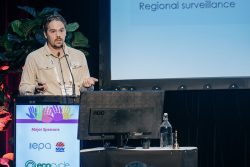
Recently, while delivering a regulatory training workshop at the Waste 2025 conference, I was surprised to learn the real reason why people were attending. The workshop focused on investigating illegal dumping, however almost everyone in the room was there to understand whether their council’s program was set up correctly, could be improved or if it was ready for the regulatory changes coming up.
There was also strong interest in understanding the needs of their colleagues delivering the regulatory program. These staff wanted to see a program that met regulatory requirements, while also meeting community and council needs. While we used illegal dumping as our case study in the workshop, our conversations focused on the fundamentals of a regulatory program and a common thread arose:
Councils know regulatory change is coming and they see an opportunity to reconsider their regulatory programs.
Change can be challenging to navigate
What strikes me most about working with councils during these transitions is how personal the challenges become for each team.
Waste managers carry the weight of community expectations while navigating budget constraints and evolving policy landscapes. They’re balancing resident complaints about new collection systems with state government deadlines, all while ensuring their teams have the knowledge and confidence to implement changes effectively.
Each new regulation represents not just a compliance requirement, but a shift in how councils and communities need to think and act. The most successful implementations I’ve observed happen when councils approach change as an opportunity to strengthen programs and relationships, rather than a burden to meet additional obligations.

Smart councils see an opportunity
Smart councils are discovering that regulatory challenges can become an opportunity when approached strategically. Rather than viewing new requirements as burdens, forward-thinking organisations are using these moments to build internal capacity, strengthen staff expertise, and position themselves as leaders in sustainable waste management.
The key lies in developing integrated regulatory compliance programs that serve multiple purposes: ensuring legal obligations are met, building staff confidence and knowledge, and creating systems that adapt readily to future changes.
Support to develop practical regulatory programs
Our work with councils across Australia has taught us that effective regulatory programs are not about complex legal interpretations. They translate requirements into practical, achievable actions that fit within existing organisational capabilities and meet everyone’s expectations.
We help councils develop and integrate regulatory programs that work for their specific circumstances. Whether navigating FOGO programs, understanding kerbside transition requirements, or preparing for new levy obligations, our approach starts with understanding your team’s current knowledge and building a solution from there.
Contact us to explore how RMCG can provide regulatory program, compliance and training expertise to support your council through Australia’s changing waste policy landscape.
Contact
Samuel Lawson (Senior Consultant – Resource Recovery)